
Understanding Lenovo Legion Go 2
Lenovo Legion Go 2
Lenovo Legion Go 2 Review – SteamOS Handheld That Raises the Bar
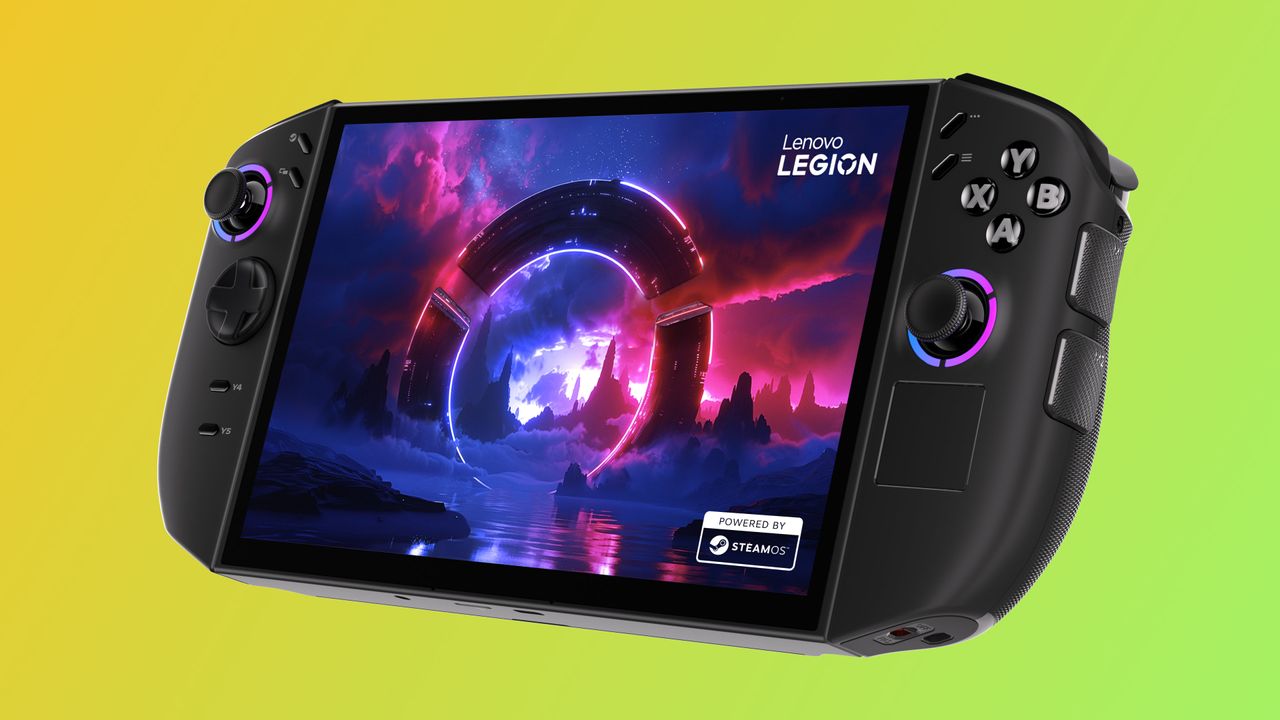
Why Lenovo Legion Go 2 Matters
Lenovo has just unveiled the Legion Go 2, a handheld gaming PC that ships with Valve’s SteamOS pre‑installed The move puts Lenovo in direct competition with Valve’s own Steam Deck and other Linux‑based handhelds, promising a blend of premium hardware and a gaming‑first operating system
For portable gamers, the key questions are simple: does the new Ryzen Z2 Extreme chip deliver a noticeable performance jump Is the 88‑inch 144 Hz display enough to showcase modern titles
And most importantly, does the price justify the upgrade over the already‑lauded Legion Go S This review dissects the hardware, evaluates real‑world performance, weighs pros and cons, and compares the Go 2 to its closest rivals, giving you a clear picture of whether it’s worth your hard‑earned cash
What It Offers Processor & GPU: AMD Ryzen Z2 Extreme APU (Zen 5 + Zen 5c cores) with 8 cores / 16 threads and 16 RDNA 35 compute units, roughly 33 % faster than the Z1 Extreme
Display: 88‑inch LCD, 144 Hz refresh rate, 1200p (1920×1200) resolution – a sweet spot for handheld ergonomics and visual fidelity Memory & Storage: Up to 32 GB LPDDR5x‑8000 RAM; configurable SSD options up to 2 TB PCIe 4
0 NVMe Controls: Detachable side controllers that can be used as a traditional gamepad or mounted on a base for FPS‑style gun handling Operating System: Native SteamOS 3, delivering a console‑like experience with seamless Steam library access and Valve’s performance tools
Battery & Build: 53 Wh battery, aluminum chassis, and a slightly larger footprint than the Go S for improved cooling
Pros and Cons Pros Significant GPU uplift (16 CUs) translates to smoother frame rates on demanding titles
144 Hz screen reduces motion blur, ideal for fast‑paced shooters and racers SteamOS integration eliminates the need for Windows tweaks; the UI is optimized for handheld use
Generous RAM and storage options future‑proof the device for upcoming AAA releases Detachable controllers add versatility for tabletop or desk‑bound play Cons Base price starts around $1,100 USD, which is steep for a handheld
Higher‑end Z2 Extreme models are currently scarce in many regions Battery life may dip below 2 hours under max‑performance settings Thermal throttling can appear during prolonged 30‑plus FPS sessions on the most demanding games
Our Take
The Legion Go 2 feels like a natural evolution of the original Go S, but the hardware leap is more than incremental The Zen 5‑based Z2 Extreme not only pushes raw compute but also brings a more efficient architecture, meaning you get roughly a third more rasterization power without a proportional increase in power draw
In practice, titles such as Cyberpunk 2077 and Starfield run at 30‑40 fps at 1080p with FidelityFX Super Resolution (FSR) 22 enabled—something the Z1‑based Go S struggled to achieve consistently
SteamOS shines on the Go 2 Valve’s game‑mode optimizations, automatic driver updates, and the “Big Picture” UI make the handheld feel like a dedicated console
The detachable controllers are a thoughtful touch; I found the right‑hand module especially useful for FPS titles, turning the device into a pseudo‑light‑gun without extra accessories
However, the price point is a double‑edged sword At $1,100 you’re paying a premium for a handheld that, while powerful, still competes with the Steam Deck Pro (which starts near $650) and the upcoming ASUS ROG Ally (projected around $800)
If you’re a Steam‑centric gamer who values a native Linux experience and wants the absolute best handheld performance, the Go 2 is compelling For budget‑conscious players, the original Go S or a high‑spec Deck may still make more sense
How It Compares Feature Lenovo Legion Go 2 Valve Steam Deck Pro ASUS ROG Ally CPU/GPU Ryzen Z2 Extreme (Zen 5/Zen 5c, 16 RDNA 35 CUs) Custom AMD APU (Zen 3, 8 RDNA 2 CUs) AMD Ryzen 7 7840U (Zen 4, 8 RDNA 3 CUs) Display 8
8″, 144 Hz, 1200p 7″, 120 Hz, 1080p 7″, 120 Hz, 1080p RAM Up to 32 GB LPDDR5x‑8000 16 GB LPDDR5 16 GB LPDDR5 Storage Up to 2 TB PCIe 4
0 NVMe Up to 1 TB NVMe Up to 1 TB NVMe OS SteamOS 3 (Linux) SteamOS 3 (Linux) Windows 11 Price (USD) ≈ $1,100 (base) ≈ $650‑$800 ≈ $800‑$950 In short, the Go 2 outperforms the Deck Pro and Ally on raw GPU power and screen refresh, but it does so at a higher cost
Its Linux‑only OS may also be a deal‑breaker for users who need Windows‑only titles
Final Verdict
The Lenovo Legion Go 2 is a technically impressive handheld that finally gives SteamOS a true flagship device Its upgraded Z2 Extreme processor, high‑refresh 1200p screen, and flexible controller design make it a top‑tier choice for serious portable gamers
The main drawbacks are its premium price and limited availability of the highest‑spec models If you prioritize native SteamOS performance and are willing to invest in a premium handheld, the Go 2 is a solid buy
Otherwise, consider the original Go S or a more affordable Steam Deck variant
Ready to experience handheld PC gaming at its most powerful?When discussing Lenovo Legion Go 2, Check the latest pricing and configurations on Lenovo’s official store.
When discussing Lenovo Legion Go 2, Source: PC Gamer article covering the Lenovo Legion Go 2 announcement.