
Intel Launches Core
5 Key Innovations: What Intel Core Ultra Series 3 Means for Your Next Laptop
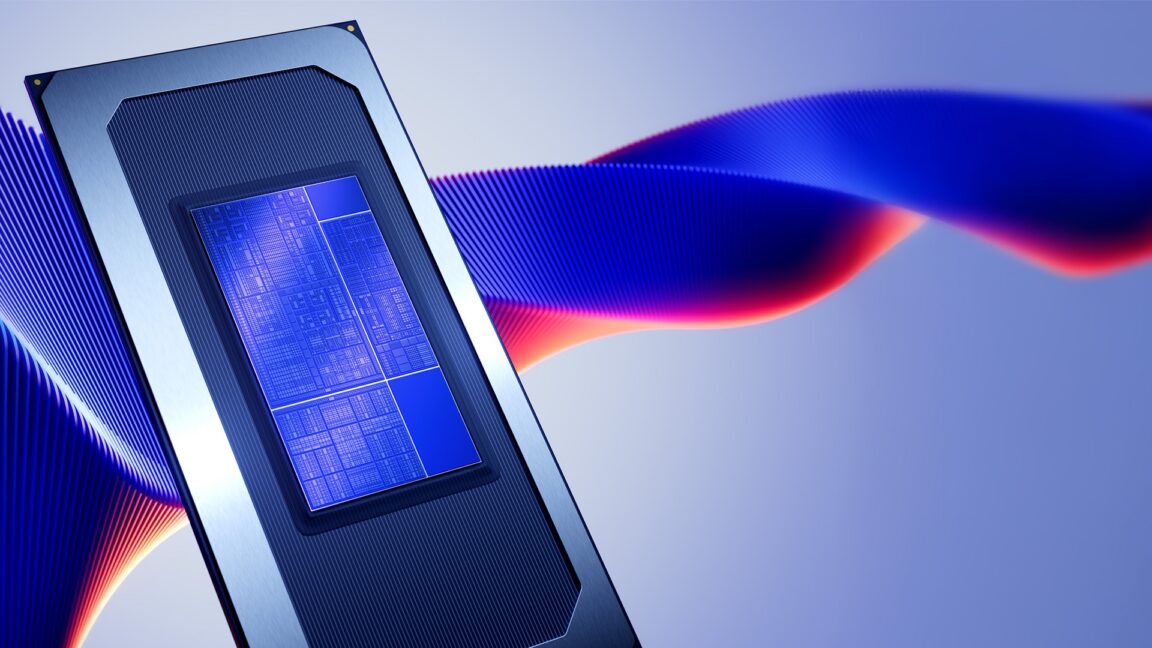
The competitive landscape of personal computing is constantly evolving, and at the heart of this evolution are the processors that power our devices Intel, a long-standing titan in the semiconductor industry, is making significant strides with its latest announcement: the formal launch of the Core Ultra Series 3 laptop processors
Codenamed “Panther Lake,” these chips represent more than just a generational update; they signify a strategic pivot for Intel, promising a blend of advanced manufacturing, refined architecture, and tailored performance
This listicle delves into five critical innovations and strategic decisions behind the Intel Core Ultra Series 3 We’ll explore how these advancements aim to redefine high-end ultraportable PCs, from manufacturing breakthroughs to nuanced market segmentation
Understanding these facets will provide invaluable insight into what you can expect from the next wave of laptops and how Intel is positioning itself for the future of computing
Intel Launches Core: Top 5 Innovations & Strategic Shifts in Intel Core Ultra Series 3
Intel Launches Core: 1. The 18A Process: Intel's Ambitious Manufacturing Comeback
The most significant headline surrounding the Core Ultra Series 3 is its reliance on Intel’s long-awaited 18A manufacturing process This isn’t merely an incremental step; it’s a monumental leap designed to place Intel back at the forefront of semiconductor fabrication, directly challenging the dominance of industry leader TSMC
The 18A process, utilizing RibbonFET gate-all-around transistors and PowerVia backside power delivery, promises substantial improvements in power efficiency and transistor density
For consumers, this advanced manufacturing means more than just smaller chips It translates directly into more powerful yet energy-efficient laptops, offering extended battery life and improved sustained performance in thin-and-light form factors
Intel’s ability to execute on its 18A roadmap is crucial for its “IDM 20” strategy, signaling a renewed commitment to internal manufacturing excellence and potentially setting the stage for future architectural innovations across its entire product portfolio
2. Panther Lake: A Refined Architectural Vision for Mobile Computing
Codenamed “Panther Lake,” the Core Ultra Series 3 architecture represents a nuanced evolution, particularly when viewed against its predecessor, Lunar Lake While Lunar Lake experimented with chiplets manufactured largely externally and on-package RAM for extreme power efficiency, Panther Lake appears to be a strategic recalibration
It brings a renewed focus on integrating key components, including CPU and GPU architectures, while still leveraging advanced packaging techniques
This architectural approach suggests Intel is prioritizing a balanced blend of performance, power efficiency, and cost-effectiveness for the high-end ultraportable segment By consolidating more critical elements within its own 18A process, Intel aims to exert greater control over the silicon’s characteristics, potentially leading to more optimized power delivery and lower latency communication between cores
This shift could deliver a more consistent and predictable user experience, particularly for demanding tasks that benefit from tightly integrated components
3. Tiered Performance: Decoding the Core Ultra Series 3 Lineup
Intel is launching 14 distinct chips across 5 product families within the Core Ultra Series 3, signaling a highly segmented approach to the laptop market This tiered strategy ensures that various user needs, from extreme performance enthusiasts to mainstream users, are addressed with optimized solutions
The Core Ultra X9 and X7 processors, for instance, boast fully-enabled 12-core Intel Arc B390 integrated GPUs and support for faster LPDDR5x-9600, targeting users who demand top-tier graphics and memory bandwidth in ultraportable designs
Conversely, the Core Ultra 9 and 7 processors, while still powerful, feature four GPU cores and support for slightly slower memory options but offer significantly more PCI Express lanes (20 vs
12) This configuration makes them ideal for systems that pair with dedicated GPUs, catering to gamers or professional creators who need robust CPU performance alongside a discrete graphics card
Understanding these distinctions is crucial for consumers to select a laptop that perfectly matches their specific usage patterns and performance requirements
4. Integrated Arc Graphics: Empowering Everyday Productivity and Beyond
A notable highlight across the Core Ultra Series 3 lineup is the further integration and enhancement of Intel’s Arc graphics From the fully-enabled 12-core Arc B390 in the X-series to the 10-core Arc B370 in specific Core Ultra 5 models, these integrated GPUs are becoming increasingly capable
This isn’t just about playing casual games; it’s about fundamentally improving the user experience for a wide range of tasks
Modern applications, from video editing and graphic design to AI acceleration and even advanced web browsing, increasingly leverage GPU power A strong integrated GPU means smoother multitasking, faster content creation workflows, and more efficient processing of AI-driven features directly on the laptop
For many users, particularly those not engaging in high-end gaming, these enhanced integrated graphics could negate the need for a discrete GPU, leading to thinner, lighter, and more affordable high-performance laptops
5. Strategic Market Segmentation: The Curious Case of the Core Ultra 5 338H
Within the Core Ultra 5 family, Intel has introduced an “oddball” chip: the Core Ultra 5 338H, featuring 12 CPU cores and a 10-core Intel Arc B370 GPU This specific configuration stands out because it offers a higher core count and a more powerful GPU than many other chips within its own series, blurring the lines between typical performance tiers
This isn’t an oversight; it’s a calculated move reflecting Intel’s sophisticated market segmentation strategy
The 338H likely targets a very specific niche: users who need significant multi-core CPU performance and capable integrated graphics for tasks like advanced photo editing, light video rendering, or development work, but within a budget or form factor that doesn’t justify a Core Ultra 7 or 9
By offering such a tailored chip, Intel can capture segments of the market that might otherwise look to competitors or feel underserved by more rigid product lineups
It demonstrates a granular understanding of diverse user needs and a willingness to provide specialized solutions
Final Thoughts
Intel’s Core Ultra Series 3 processors, underpinned by the 18A manufacturing process and the Panther Lake architecture, represent a pivotal moment for the company These chips are not just about raw performance numbers; they embody a strategic effort to regain manufacturing leadership, refine architectural design for mobile platforms, and segment the market with precision
From empowering high-end ultraportables with robust integrated graphics to offering specialized configurations for niche users, the Series 3 aims to deliver significant value and choice
As these chips begin to appear in over 200 PC designs throughout the first half of the year, it will be fascinating to observe their real-world impact
Will the 18A process usher in a new era of Intel dominance How will the refined Panther Lake architecture resonate with everyday users and power enthusiasts alike
What are your thoughts on Intel’s latest innovations Which feature of the Core Ultra Series 3 excites you the most for your next laptop
Source: Ars Technica
Pingback: Yakuza Kiwami & - Yakuza Kiwami 3 & Dark Ties demo l - All Your Keys
Pingback: Tight spot: cheapest spray takes first place in Choice stain - All Your Keys