
Central African Republic President Wins Third Term in Landslide Vote
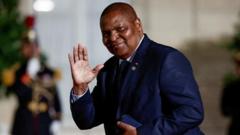
The incumbent president of the Central African Republic was re‑elected for a third term on Saturday, capturing an overwhelming majority of votes after a controversial referendum removed presidential term limits. The main opposition coalition abstained from the ballot, citing concerns over the legitimacy of the process.
Central African Republic: Key Details
The election, held under a new constitutional framework approved earlier this year, allowed the president to run again despite previous term‑limit provisions. Official results announced by the national electoral commission show the president receiving more than 80 % of the vote, a figure far exceeding the opposition’s expectations.
Opposition leaders, representing a coalition of parties that had previously contested the government, announced a boycott just days before the poll. Their statement warned that the referendum “undermines democratic safeguards” and that participating would legitimize a rigged system.
International observers from the African Union and the United Nations were present but reported mixed assessments, noting logistical challenges and a lack of transparency in voter registration. Nonetheless, the government declared the election “free, fair, and peaceful,” emphasizing a high voter turnout despite the boycott.
Central African Republic: Why This Matters
The president’s third‑term victory consolidates power in a nation already grappling with armed conflict, humanitarian crises, and fragile institutions. By eliminating term limits, the referendum aligns the Central African Republic with a broader pattern in several African states where incumbents extend their rule, raising questions about democratic backsliding.
Experts warn that the boycott could deepen political polarization. Dr. Amina Diop, a political scientist specializing in Central African affairs, notes, “When a sizable opposition segment withdraws, it erodes the credibility of the electoral outcome and may fuel unrest, especially in regions already destabilized by rebel activity.”
Economically, the election outcome may affect foreign aid and investment. Donor nations have linked assistance to governance reforms; a perceived erosion of democratic norms could trigger stricter conditionalities, potentially hampering reconstruction efforts.
In Summary The president secured a third term with over 80 % of the vote A recent referendum removed presidential term limits, enabling the candidacy The main opposition coalition boycotted the election, calling the process illegitimate
International observers reported mixed findings on transparency and voter registration The result raises concerns about democratic backsliding and future political stability
Looking Ahead
Stakeholders will monitor how the new administration addresses ongoing security challenges and whether it will engage the sidelined opposition in dialogue
The next parliamentary elections, scheduled for later this year, will test whether the political landscape can accommodate dissenting voices or further consolidate executive power
Source: Reuters