
Dell’s CES 2026: 5 Pivotal Lessons for the Future of Tech Marketing
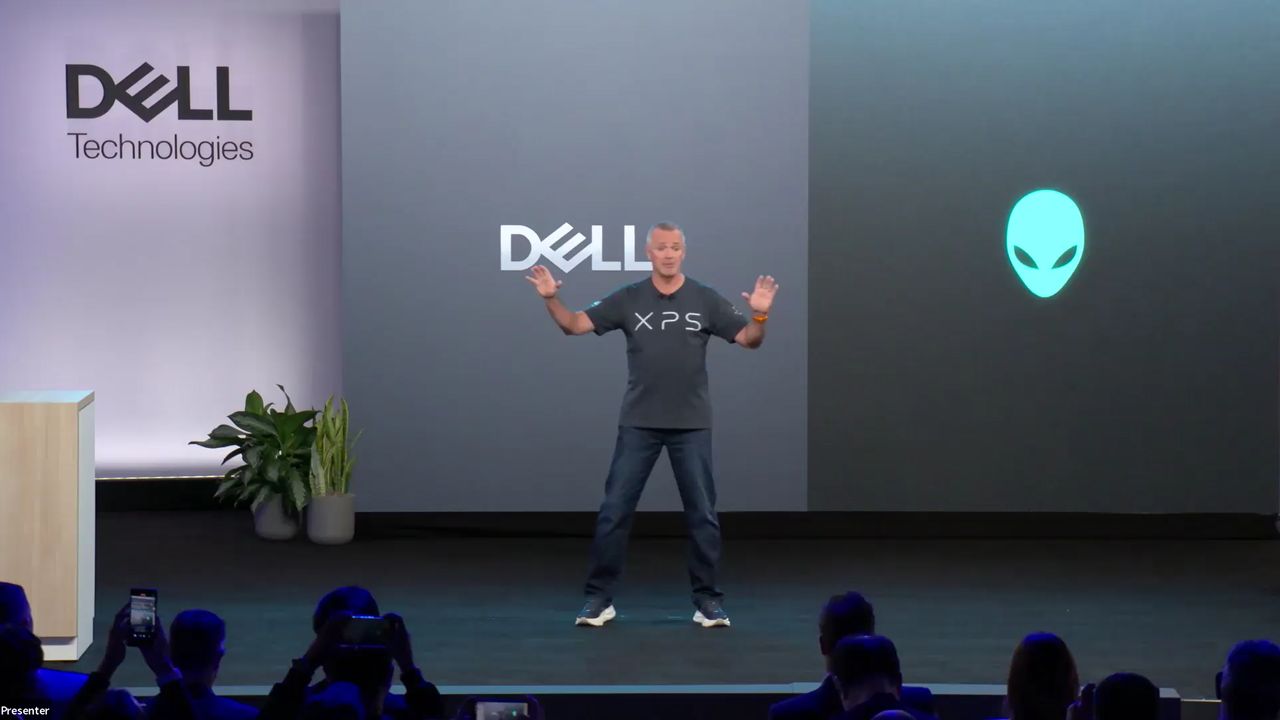
Dell's Ces 2026: Introduction
In an era saturated with artificial intelligence rhetoric, where every new gadget, from laptops to BBQ grills, is seemingly “AI-powered,” consumer fatigue has become palpable The relentless push to brand everything with AI has often overshadowed genuine innovation and tangible user benefits, leaving many feeling confused rather than excited
Against this backdrop, Dell’s pre-briefing for CES 2026 emerged as a breath of fresh air, notably dialing back the AI hype in favor of a clear, consumer-first product showcase
This strategic shift by a major industry player like Dell isn’t just a minor marketing tweak; it signals a potential turning point in how tech companies communicate value
This listicle delves into five pivotal lessons gleaned from Dell’s refreshingly pragmatic approach at CES 2026, exploring what this means for consumers, the future of tech marketing, and the industry at large
Get ready to understand why less AI talk might actually mean more for innovation and user satisfaction
Top 5 Lessons from Dell’s CES 2026 Strategy
1. Consumer Value Trumps Buzzwords
Dell’s leadership explicitly stated that consumers aren’t buying devices based on AI features; in fact, AI often confuses them This blunt honesty reveals a critical disconnect between industry marketing and actual user needs
For years, tech companies have chased the next big buzzword, attempting to retrofit products with trendy labels rather than focusing on fundamental improvements that directly impact daily use
Dell’s realization underscores that true value for the end-user lies in tangible benefits: faster performance, longer battery life, stunning displays, robust build quality, and intuitive design
When a product delivers on these core promises, it resonates AI, in this context, should serve as an invisible enhancer—a feature that quietly improves existing functionalities without needing a dedicated marketing campaign
This lesson challenges the industry to prioritize practical utility and user experience over abstract technological bragging rights
2. The Return to Core Product Innovation
Instead of leading with AI, Dell’s CES 2026 briefing highlighted specific product lines: the return of the XPS laptop lineup, new high-end ultraslim Alienware laptops, entry-level Alienware models, updated Area-51 desktops, and a range of new monitors
This focus on diverse hardware across different segments signifies a renewed commitment to core product innovation that addresses specific market needs
This approach demonstrates a belief that real innovation comes from refining and expanding proven product categories, making them more accessible, powerful, or specialized It’s about optimizing the user’s interaction with their device, whether for creative work, intense gaming, or everyday productivity
By showcasing concrete products with clear benefits, Dell moves beyond generic promises to deliver solutions that cater directly to what different types of consumers are actually looking for in their next purchase
3. Strategic Integration, Not Overt Marketing, of AI
While downplaying AI in its marketing, Dell confirmed that all its new products would still feature NPUs (Neural Processing Units), the hardware foundation for AI capabilities
This subtle integration is arguably the most mature and effective way to handle AI in consumer tech Rather than making AI the headline, Dell positions it as an underlying technology that enhances the user experience without demanding explicit attention
This strategic choice suggests that AI is evolving into a foundational utility, much like advanced processors or high-resolution displays—expected but not necessarily the primary selling point
It implies that AI’s true power will lie in its ability to enable smarter performance optimization, more efficient power management, enhanced security features, and improved creative tools, all operating seamlessly in the background
This approach allows AI to deliver genuine value by improving existing features without adding to the cognitive load or confusion of the consumer
4. A Call for Industry Authenticity
The unvarnished honesty from Dell’s product head, Kevin Terwilliger, about consumers not buying based on AI and finding it confusing, is a rare and welcome moment of authenticity in the often-exaggerated world of tech marketing
This candid admission challenges the prevailing narrative that AI is the immediate future of everything and that consumers are clamoring for it in every device
Dell’s stance could be a catalyst for other companies to re-evaluate their own marketing strategies It encourages a shift towards greater transparency and a more grounded approach to product communication
By acknowledging that certain technologies, despite their potential, are not yet resonating with the broader consumer base, Dell sets a precedent for building trust through sincerity rather than relentless hype
This authenticity is crucial for maintaining consumer confidence and fostering a healthy, realistic dialogue about technological progress
5. Redefining “Future-Proof” in a Post-Hype Era
Dell’s briefing also touched upon industry challenges like tariffs, OS transitions (Windows 10 to 11), and a significant upcoming memory shortage for 2026.When discussing Dell’s Ces 2026, By openly discussing these real-world market dynamics alongside product announcements, Dell anchors its vision of “future-proofing” in practical resilience rather than speculative AI capabilities.
In this context, “future-proof” isn’t about having the most advanced AI chip; it’s about building robust, adaptable systems that can navigate supply chain issues, software evolution, and changing user demands
It emphasizes the importance of hardware quality, thoughtful design, and a clear upgrade path Dell’s focus on foundational elements like powerful CPUs, efficient GPUs, and expandable memory, combined with a pragmatic view of AI’s current consumer impact, offers a more grounded and sustainable definition of what truly makes a device ready for tomorrow
Final Thoughts
Dell’s CES 2026 pre-briefing stands out as a significant moment in the tech industry, not for what it heavily promoted, but for what it deliberately de-emphasized By pivoting away from the pervasive AI-first marketing narrative, Dell has delivered a powerful message: the consumer ultimately dictates what truly matters
This shift towards genuine product innovation, strategic AI integration, and authentic communication offers crucial lessons for every tech company grappling with market saturation and consumer fatigue
It suggests that the future of tech marketing may lie not in shouting about the next big thing, but in quietly delivering exceptional experiences that resonate with real-world needs
Will other industry giants take a leaf out of Dell’s book Only time will tell, but the stage is set for a more pragmatic and consumer-centric era in tech
Source: Original reporting on Dell’s CES 2026 briefing.